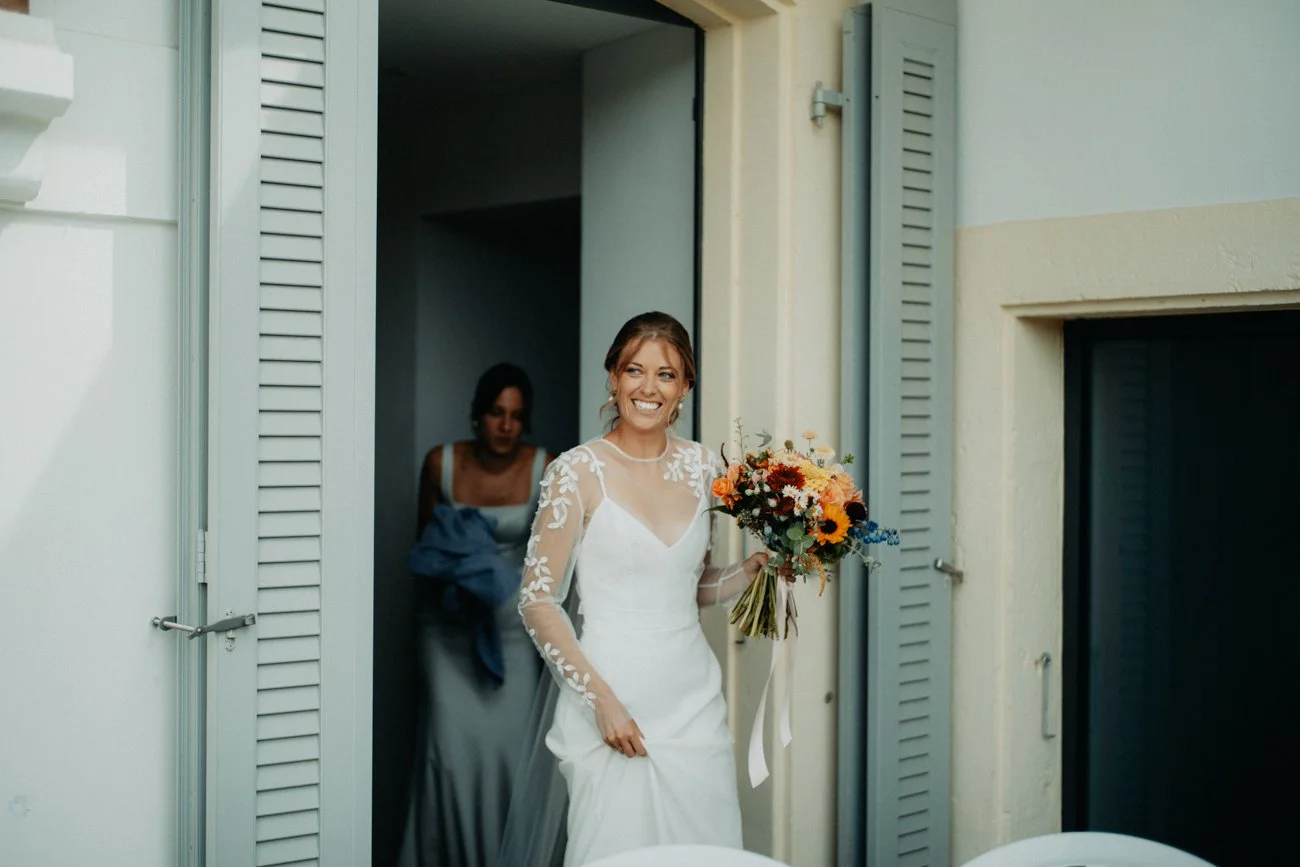
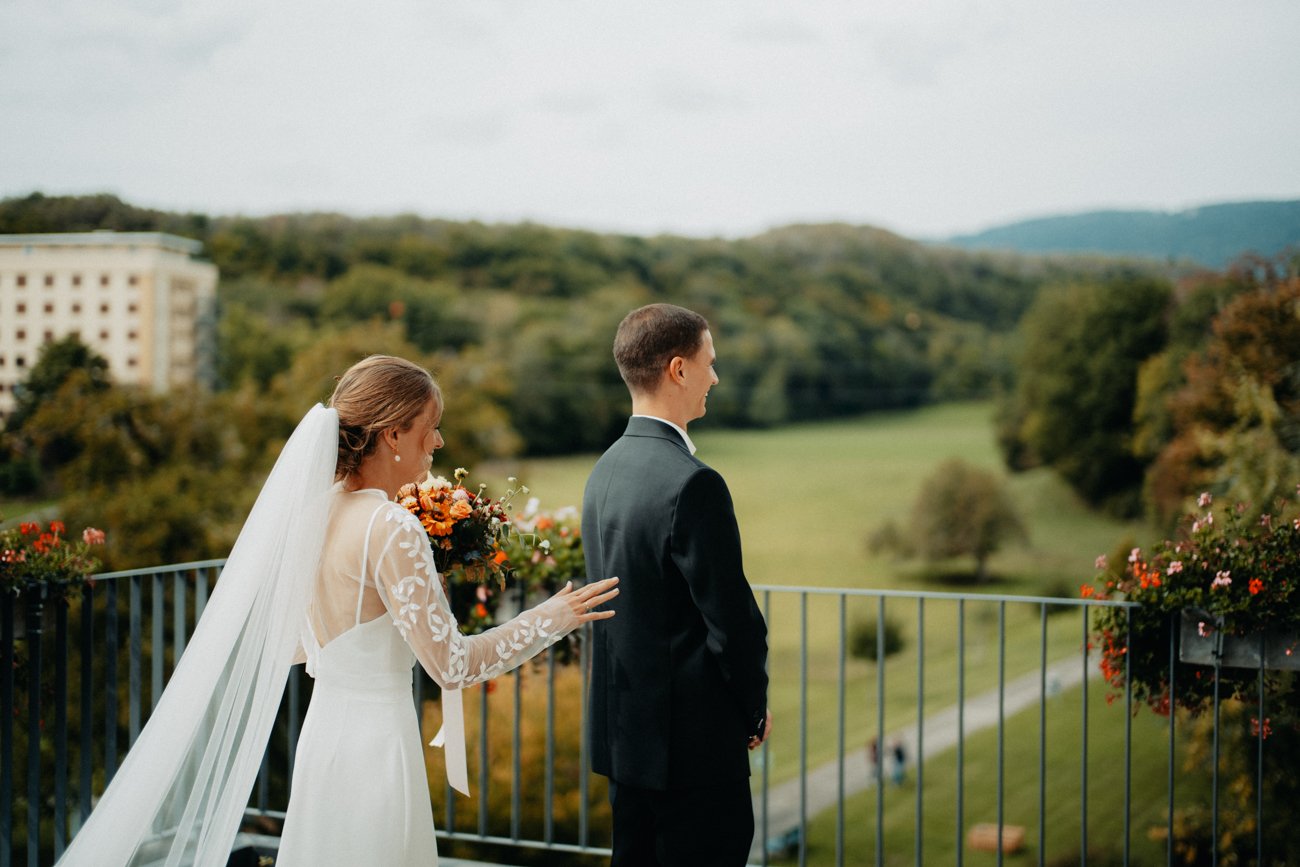
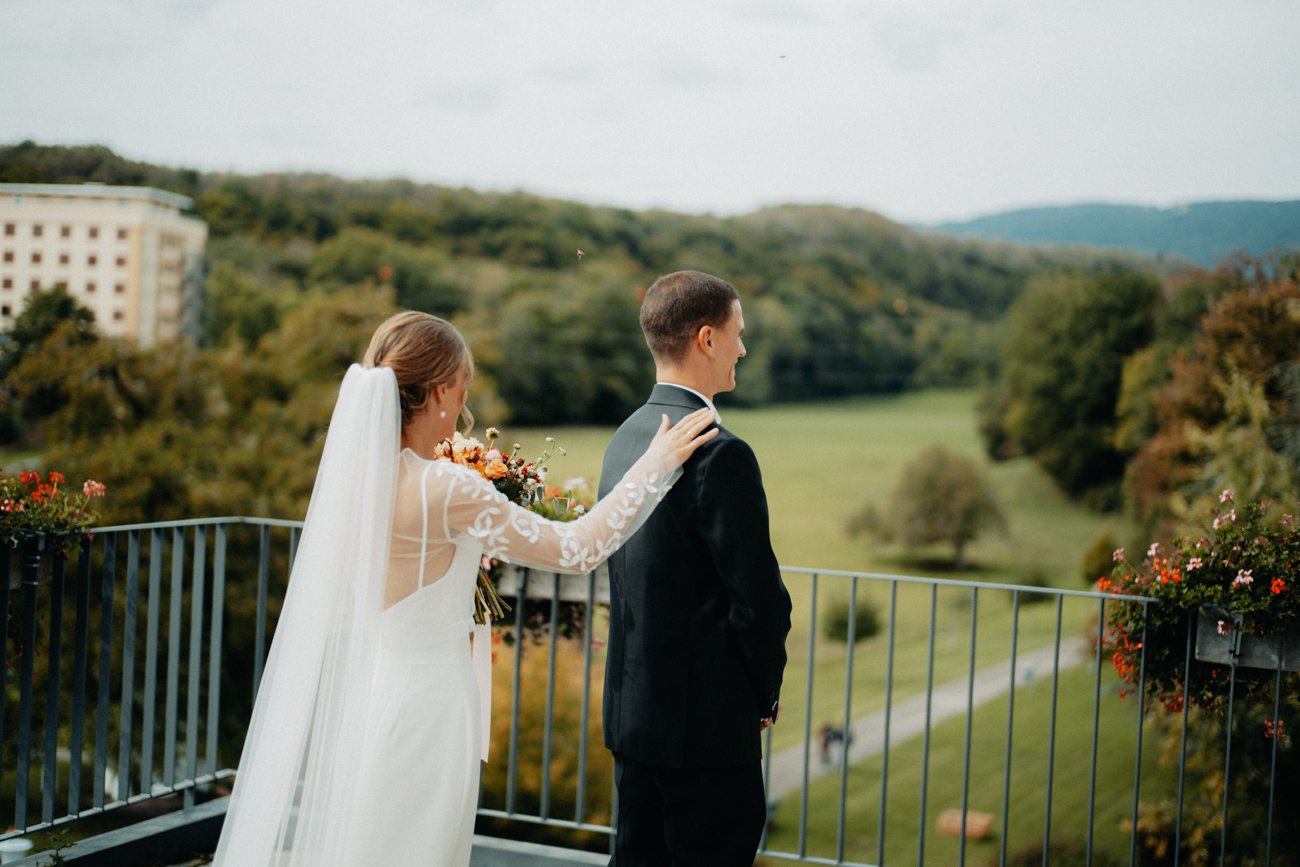
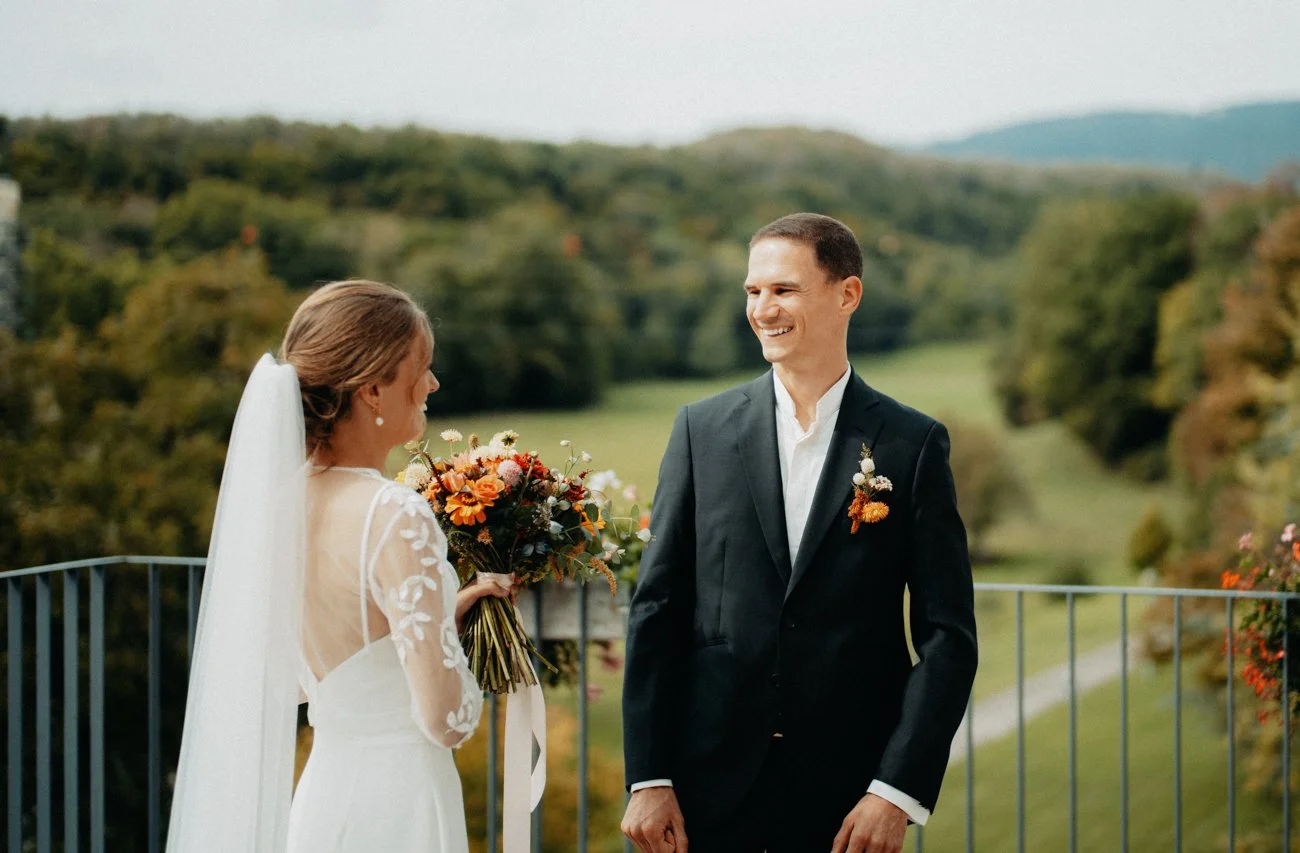
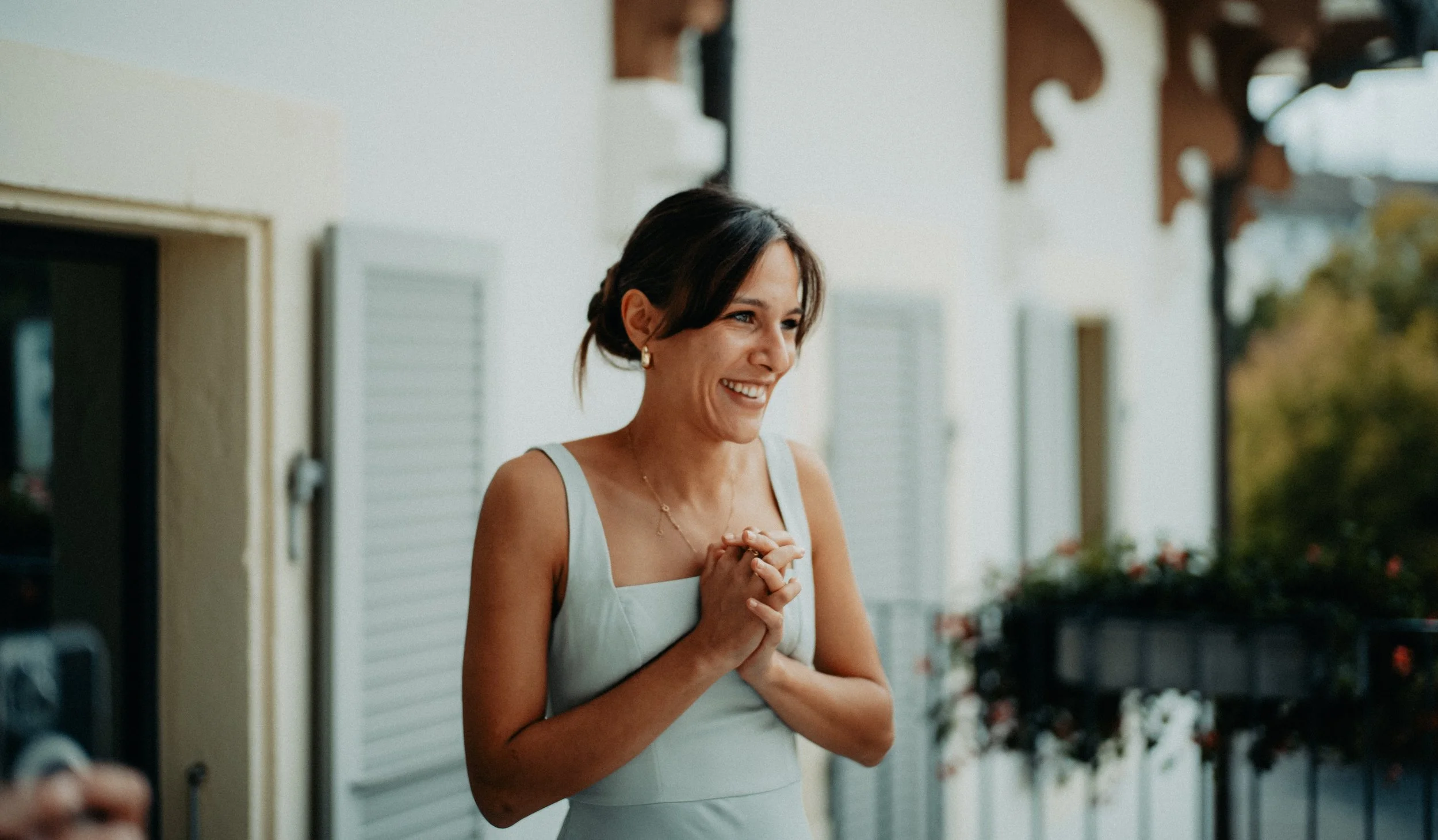
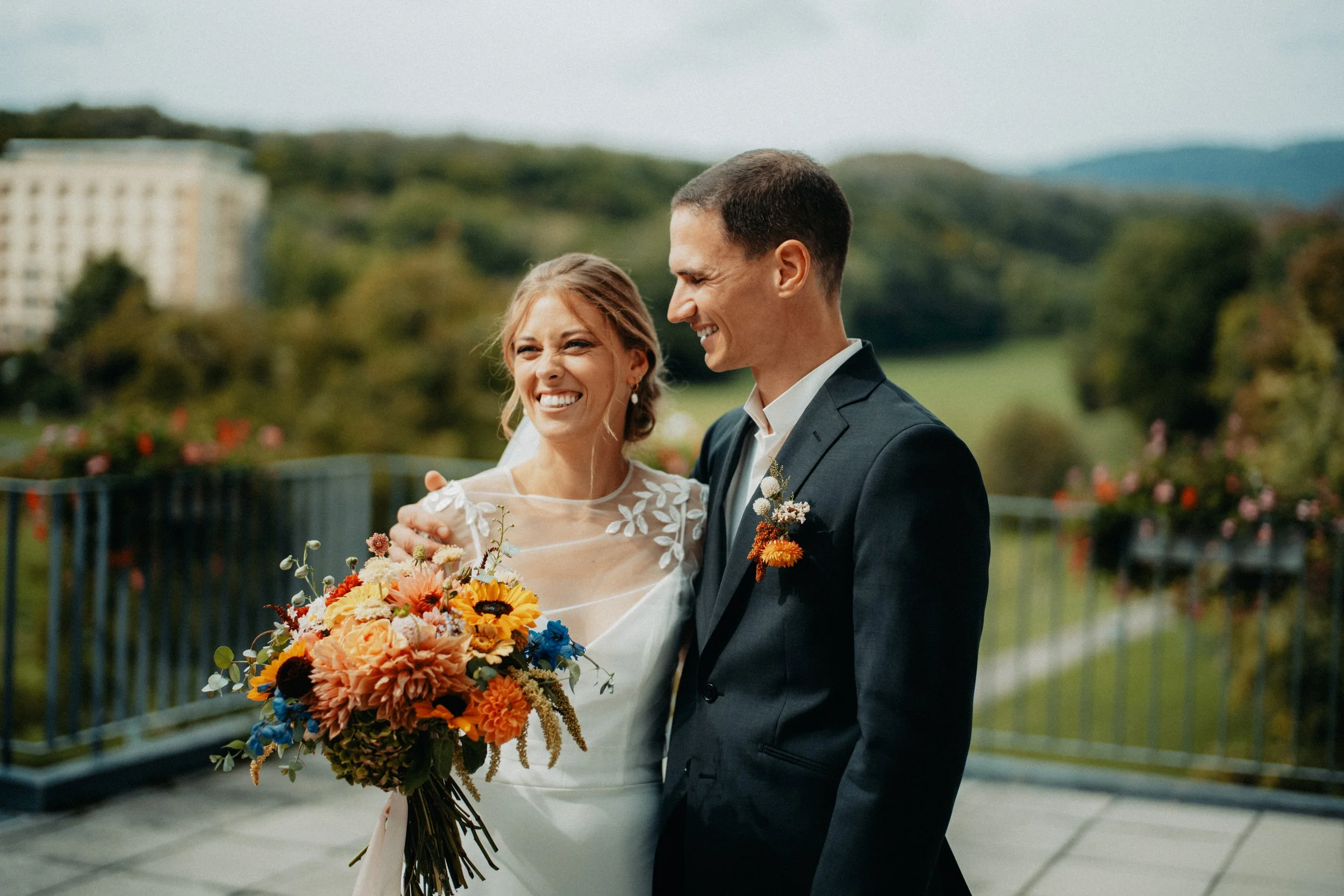
The Terrifying Joy of Shooting a Wedding’s Most Emotional Moment on a Manual Leica.
*Photos below
Trusting One Camera In A Critical Moment
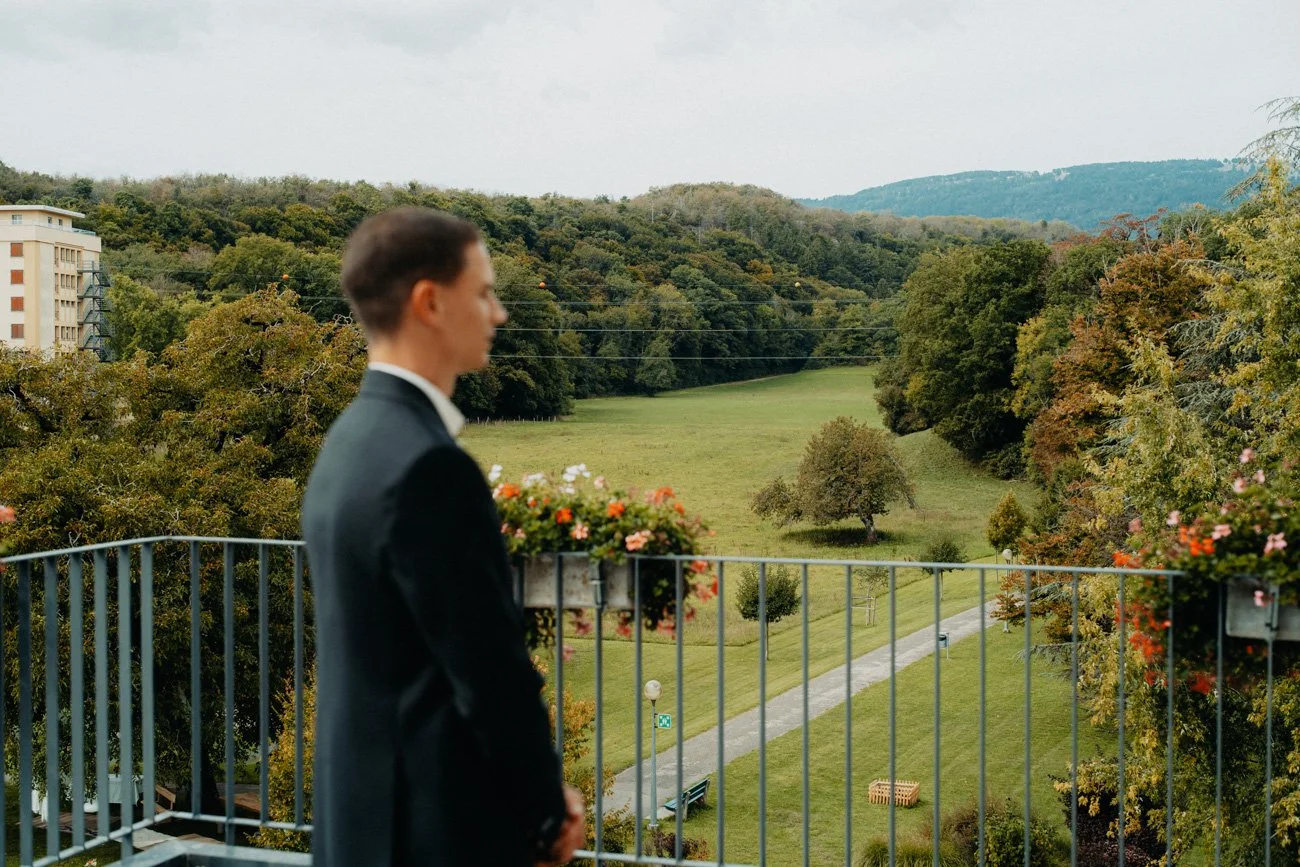
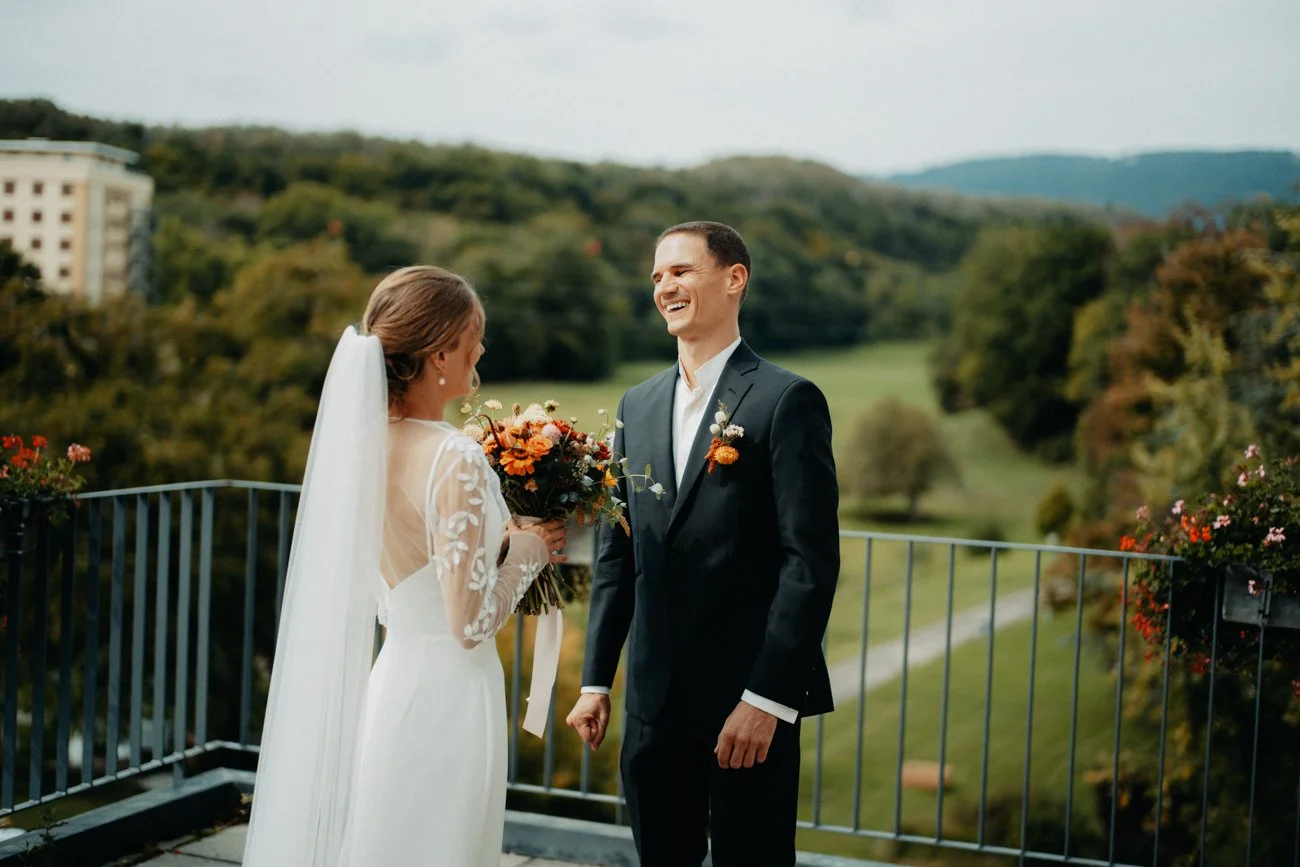
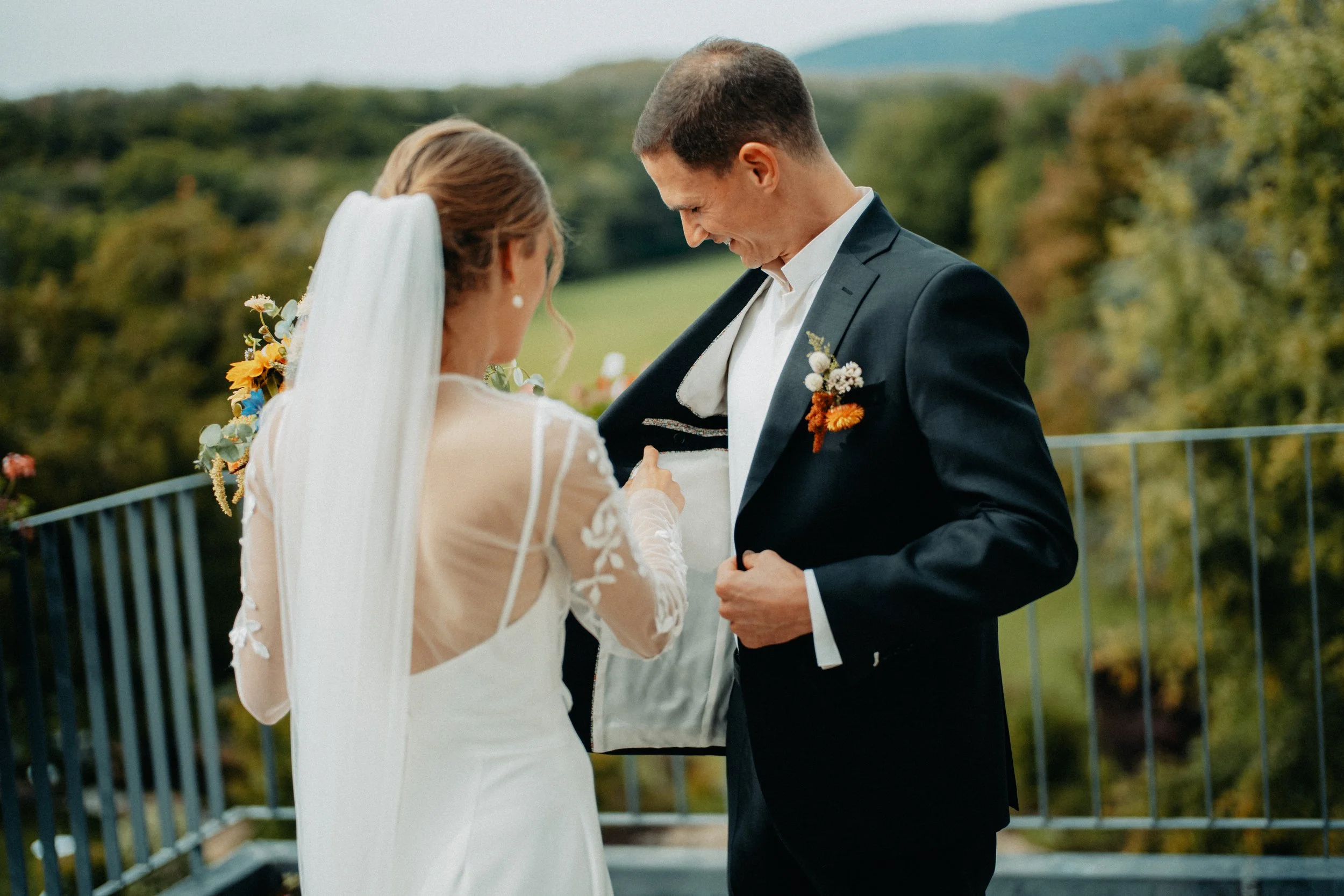
Photographing a first look is always a high‑stakes moment, but this time in Switzerland, the stakes felt even higher. It was not just about the couple, the setting, or the timing, but about a very deliberate decision: shooting the entire scene only with the Leica M10 and the 50mm f/1.4 Summilux ASPH. No backup body hanging off the shoulder, no safety net in the form of an autofocus workhorse. Just one camera, one lens, and a lot of faith in manual focus skills.
The thought process before the first click was anything but casual. The questions came up instantly: “Will I get it done? Does that actually work? Can I trust my focusing skills in this critical situation to really nail focus on all the important moments?” These are the doubts that creep in when the gear choice stops being theoretical and suddenly becomes very real.
From Doubt To Decision
At some point, the internal debate has to end with a decision, and in this case, the answer was simple: just do it. Rangefinder focusing has become almost second nature over the years, and operating the Leica M10 is no longer a conscious act, but a kind of muscle memory. In that sense, focusing itself has turned into a non‑issue in most situations.
What made this different, however, was the lack of a safety net. In previous weddings, at least one Canon R6 was always nearby, often paired with an 85mm f/1.2 or 35mm, ready to jump in. This time there was no such backup. It was the first time standing in such a high‑pressure, non‑repeatable moment with only that one Leica body in hand.
Why The Leica Still Made Sense
Despite the nerves, there were also very practical reasons why this setup made sense. During a first look, the couple often stands relatively still, giving a bit of breathing room to focus without having to chase movement constantly. There is no need for continuous manual follow focus the way it might be needed during fast, dynamic parts of the day.
On top of that, the lens and camera were properly calibrated and tested beforehand. Knowing that the rangefinder alignment was spot on removed a whole layer of potential worry. Technically, everything was ready; the remaining challenge was mostly mental.
Nerves, Execution, And The Result
Even with all the logical arguments in place, it would be a lie to say there was no nervousness. The awareness that there are no second chances in a first look moment always sits in the back of the mind. Still, once the couple arrived and the moment unfolded, instinct took over. Framing, focusing, anticipating expressions – it all became one continuous flow.
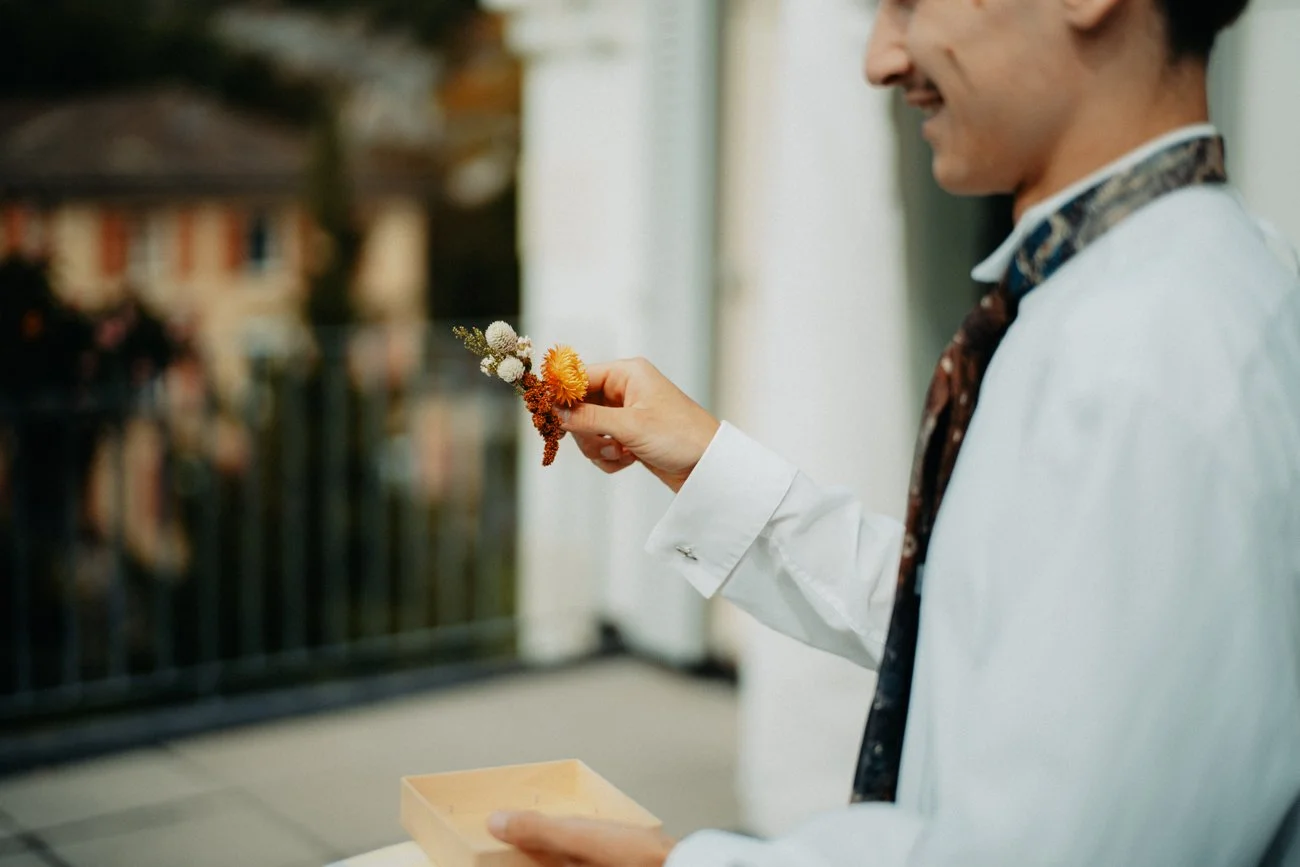
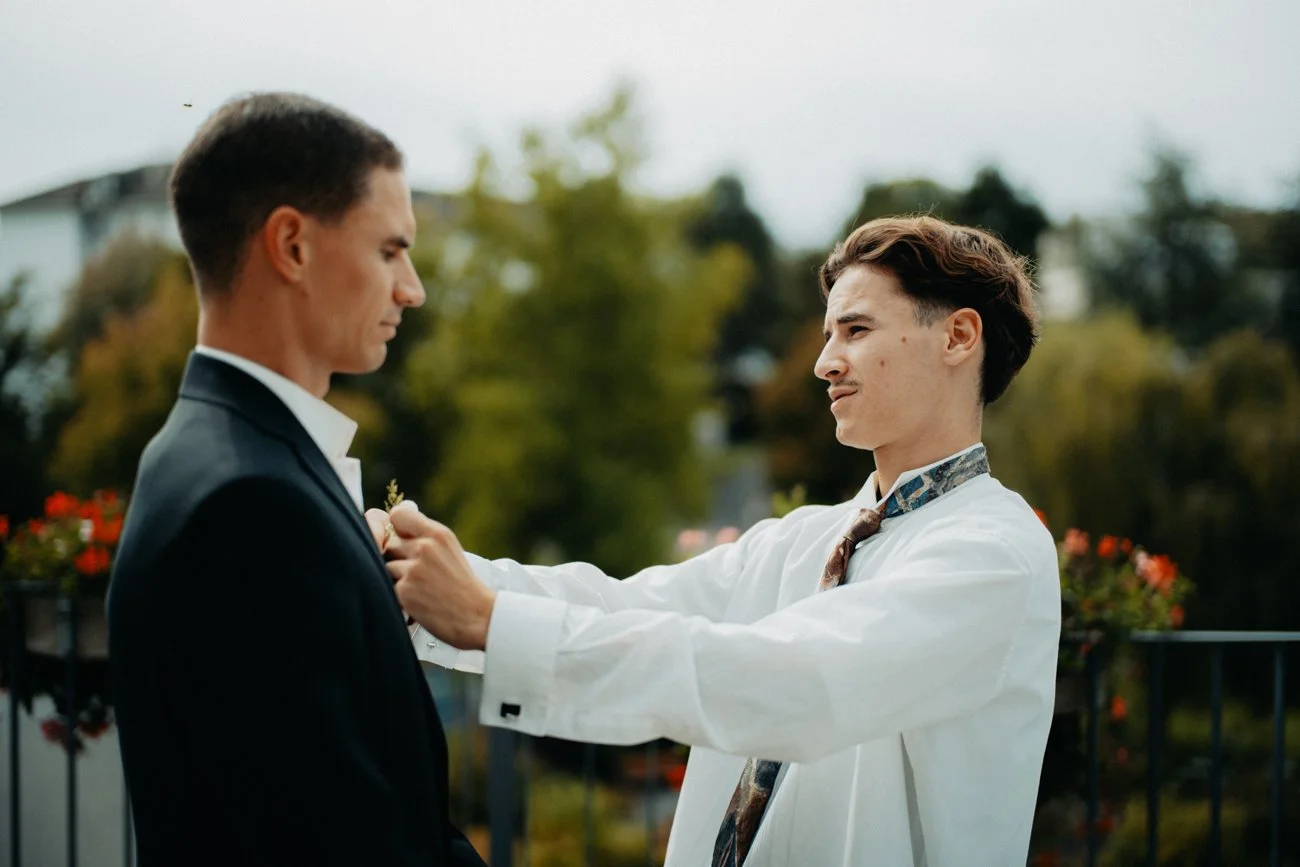
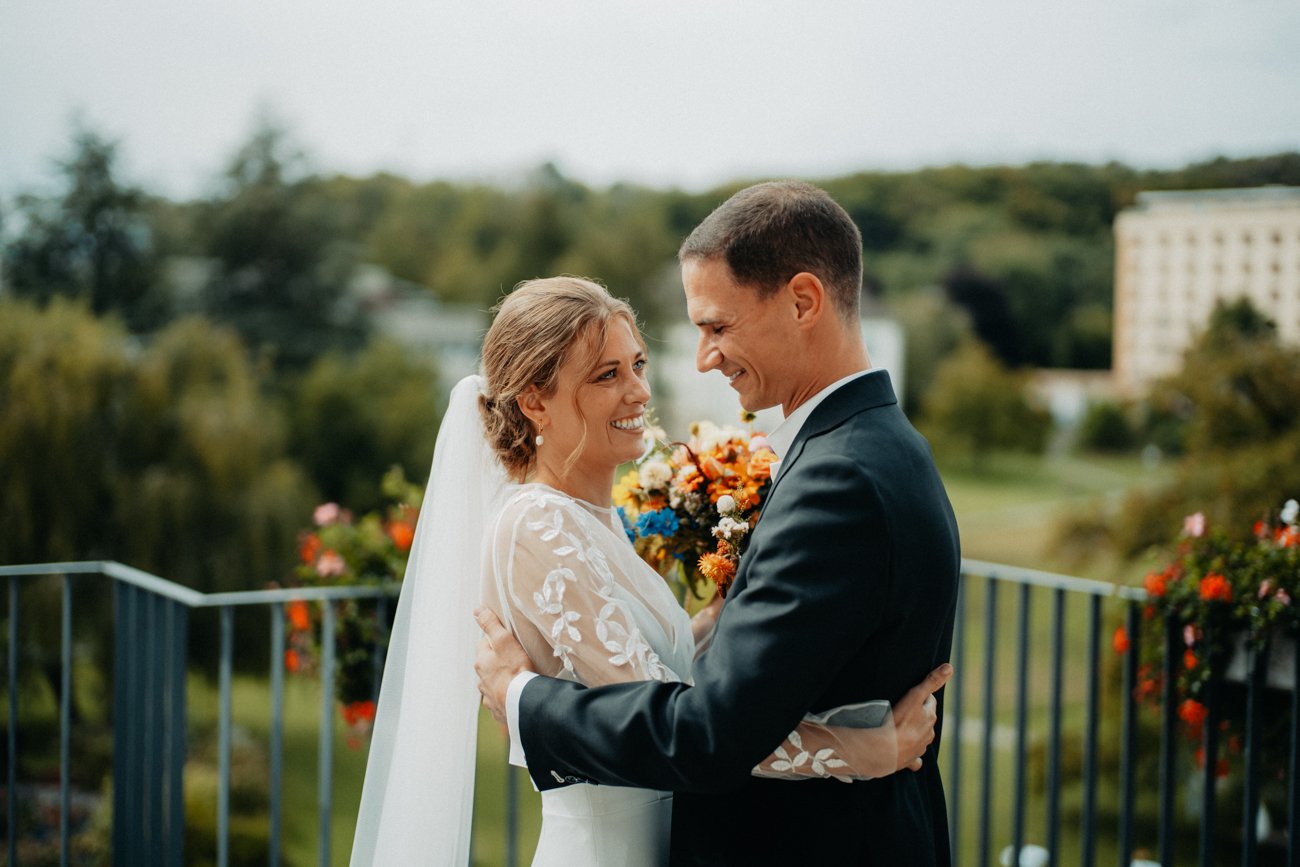
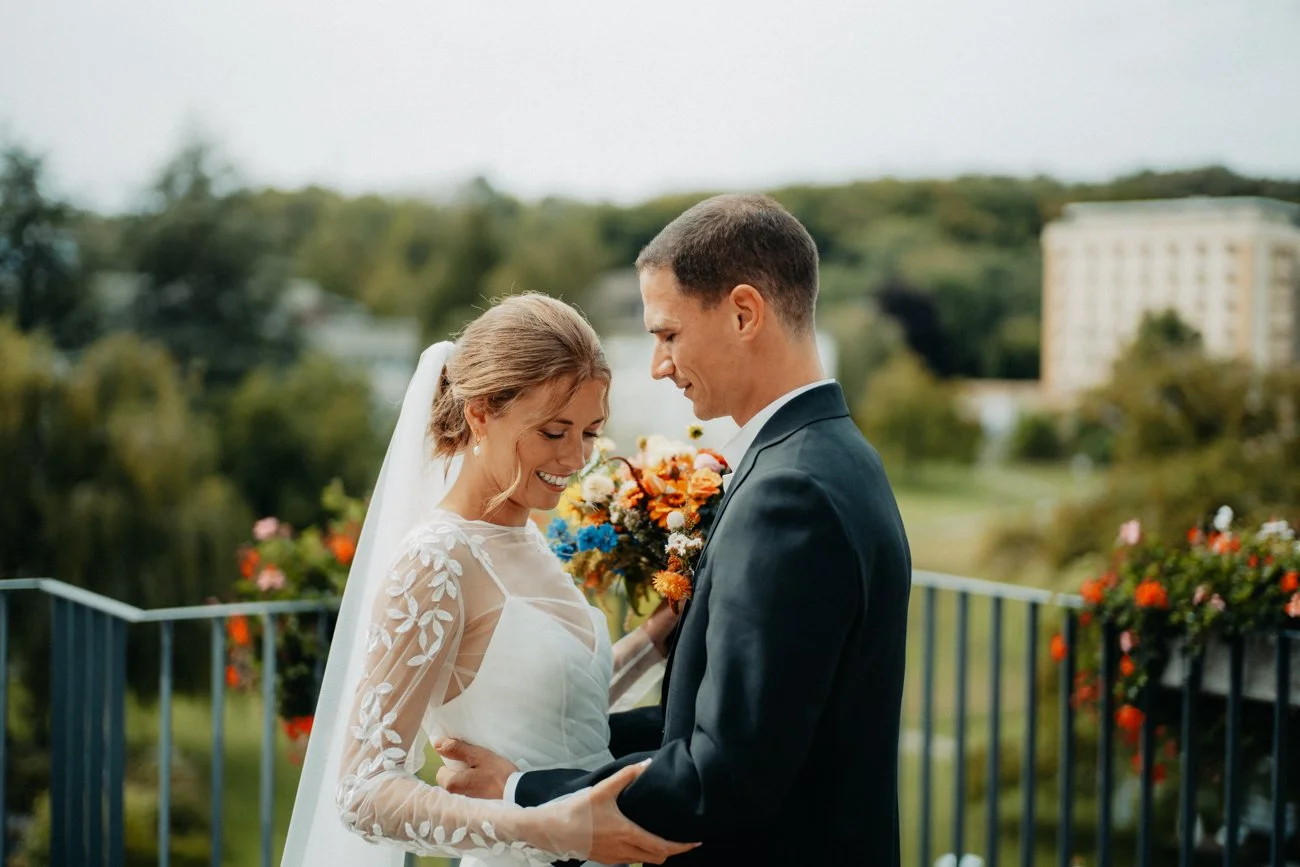
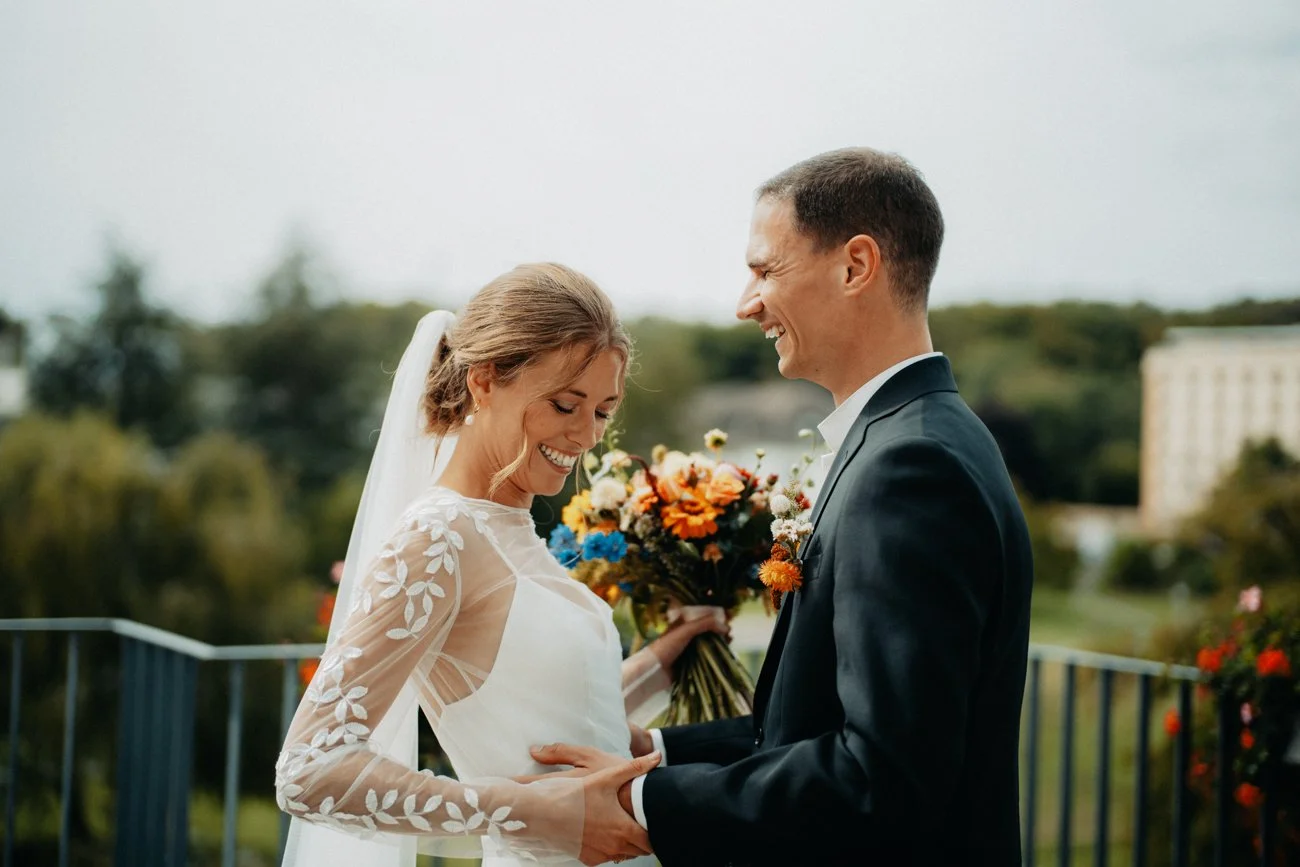
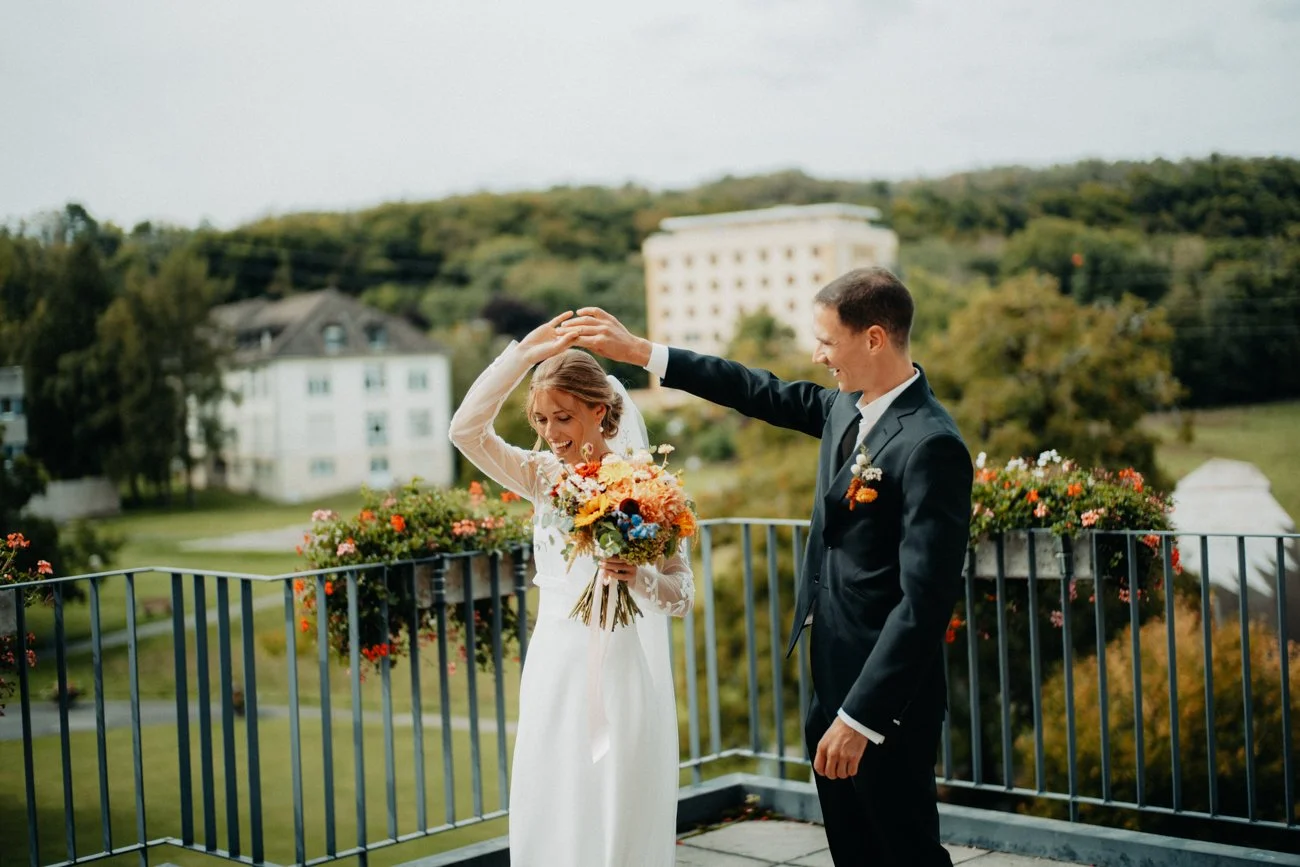
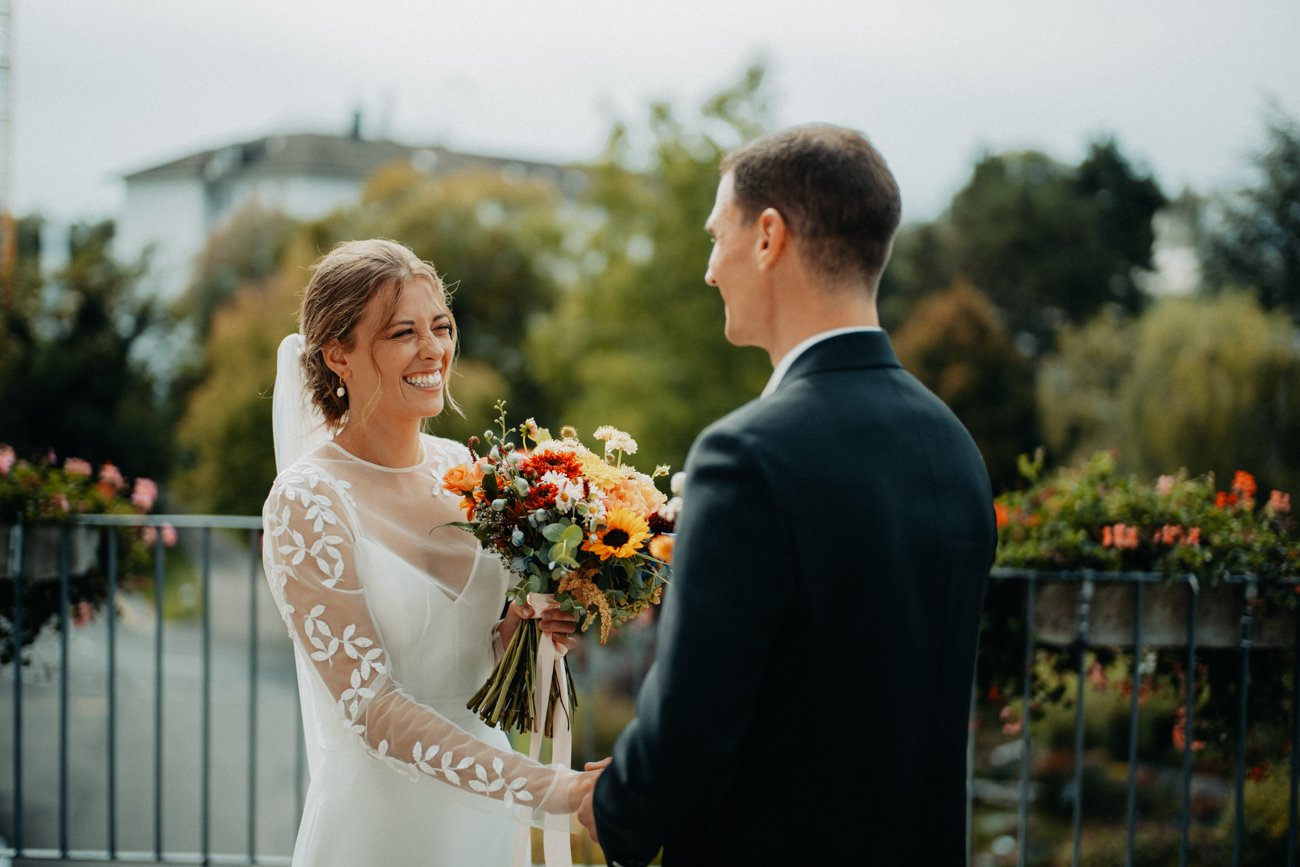
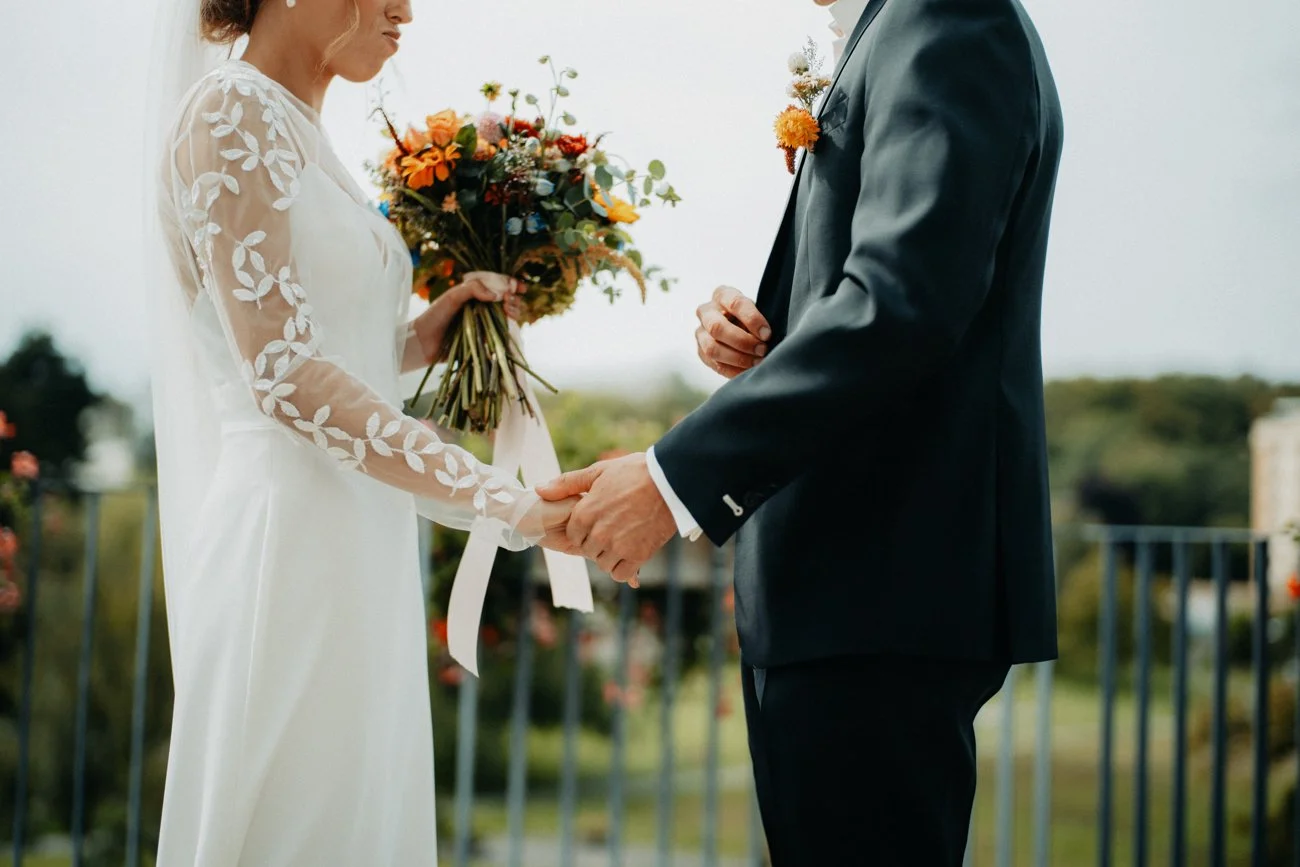
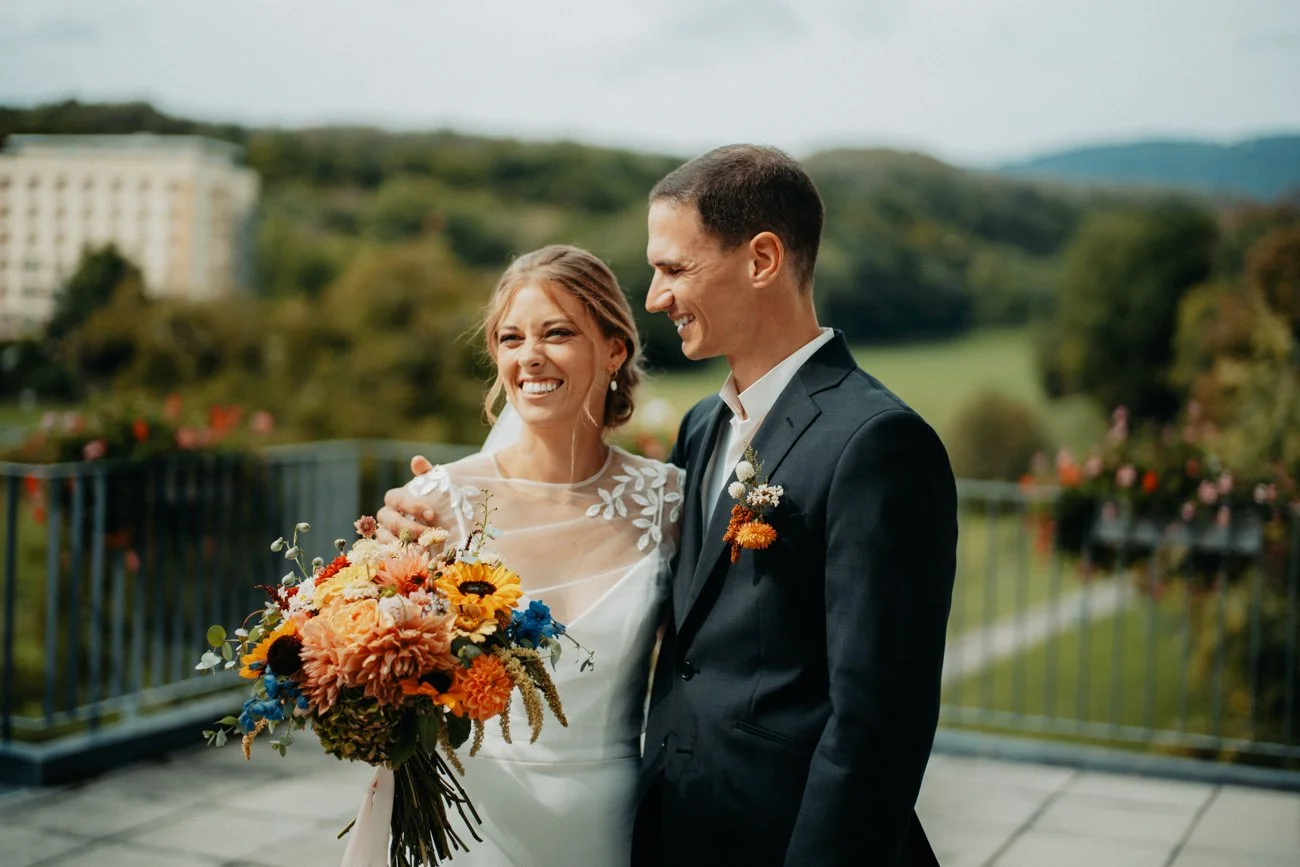
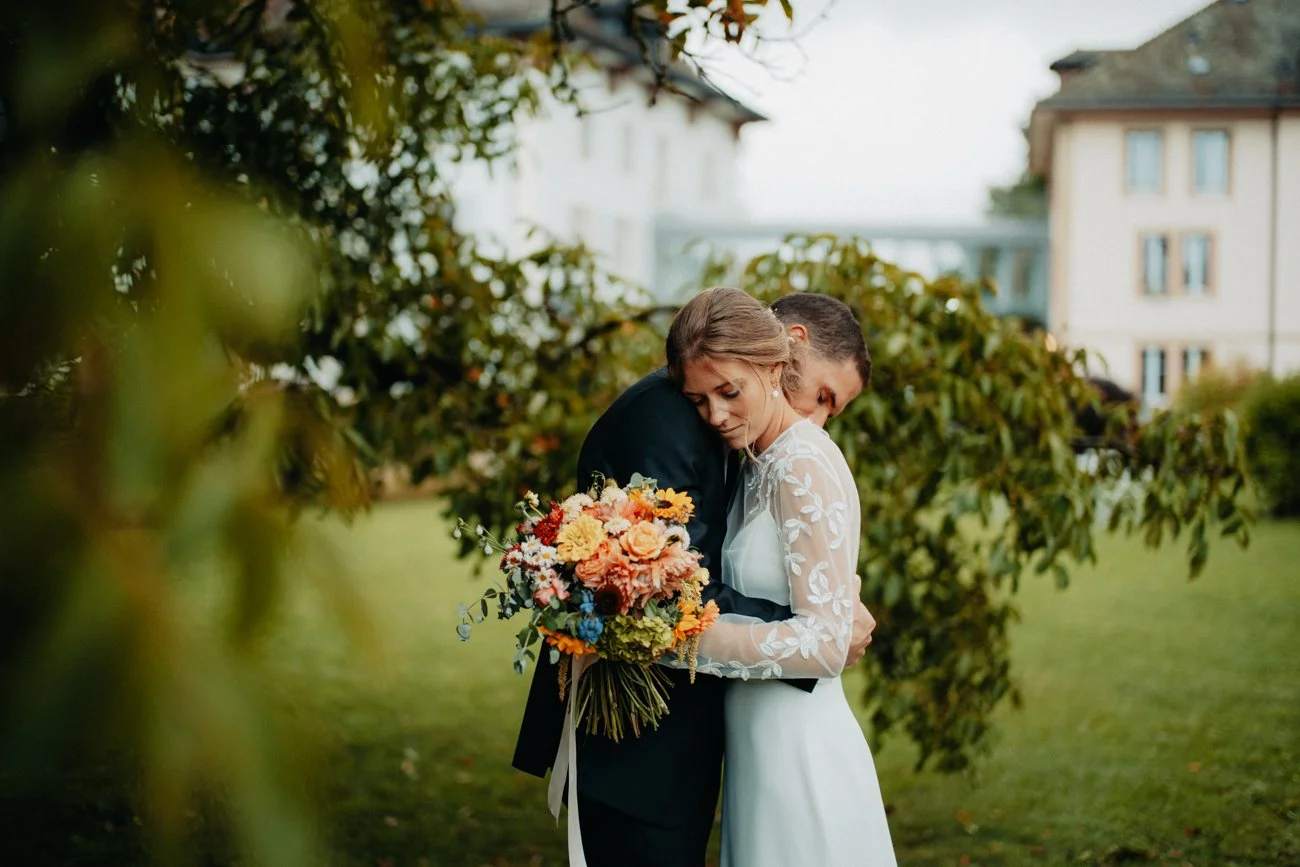
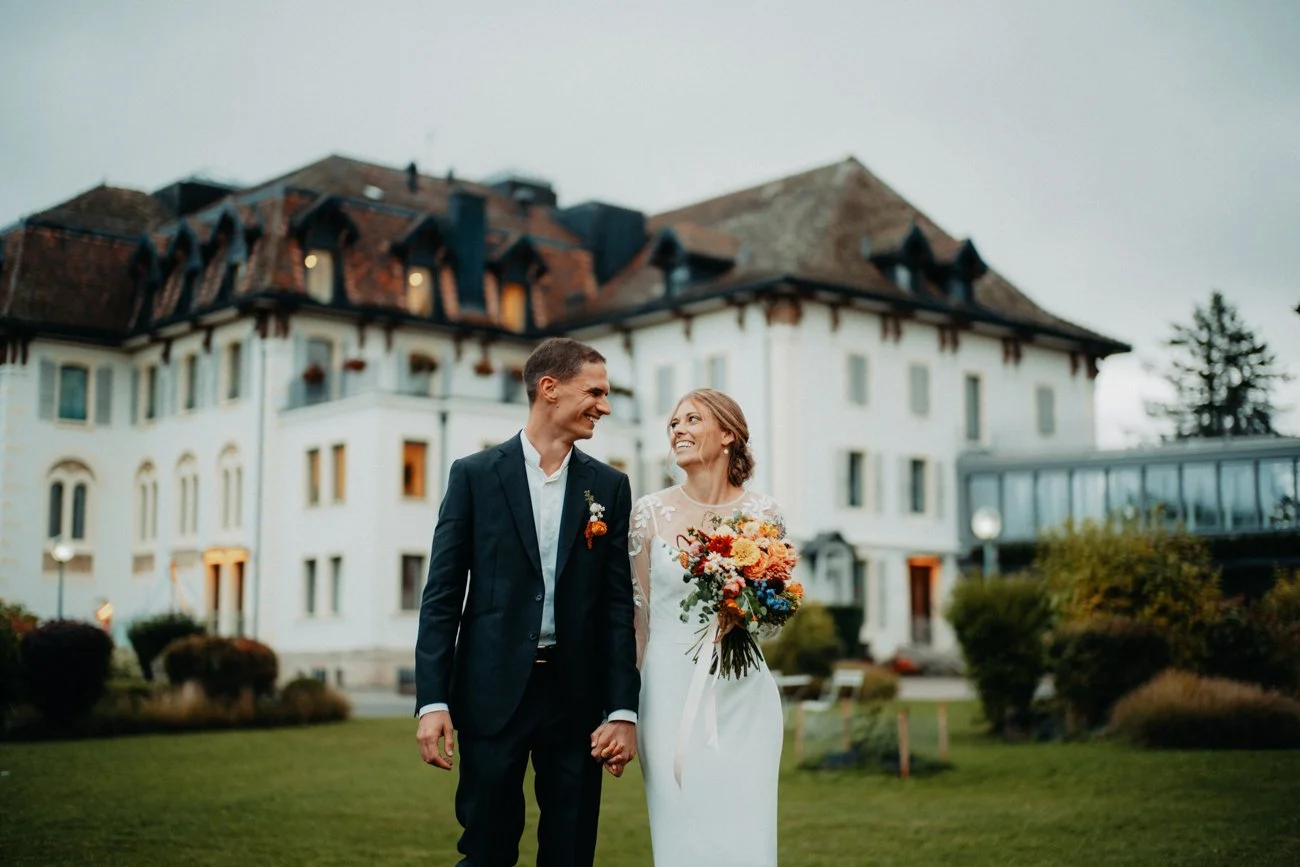
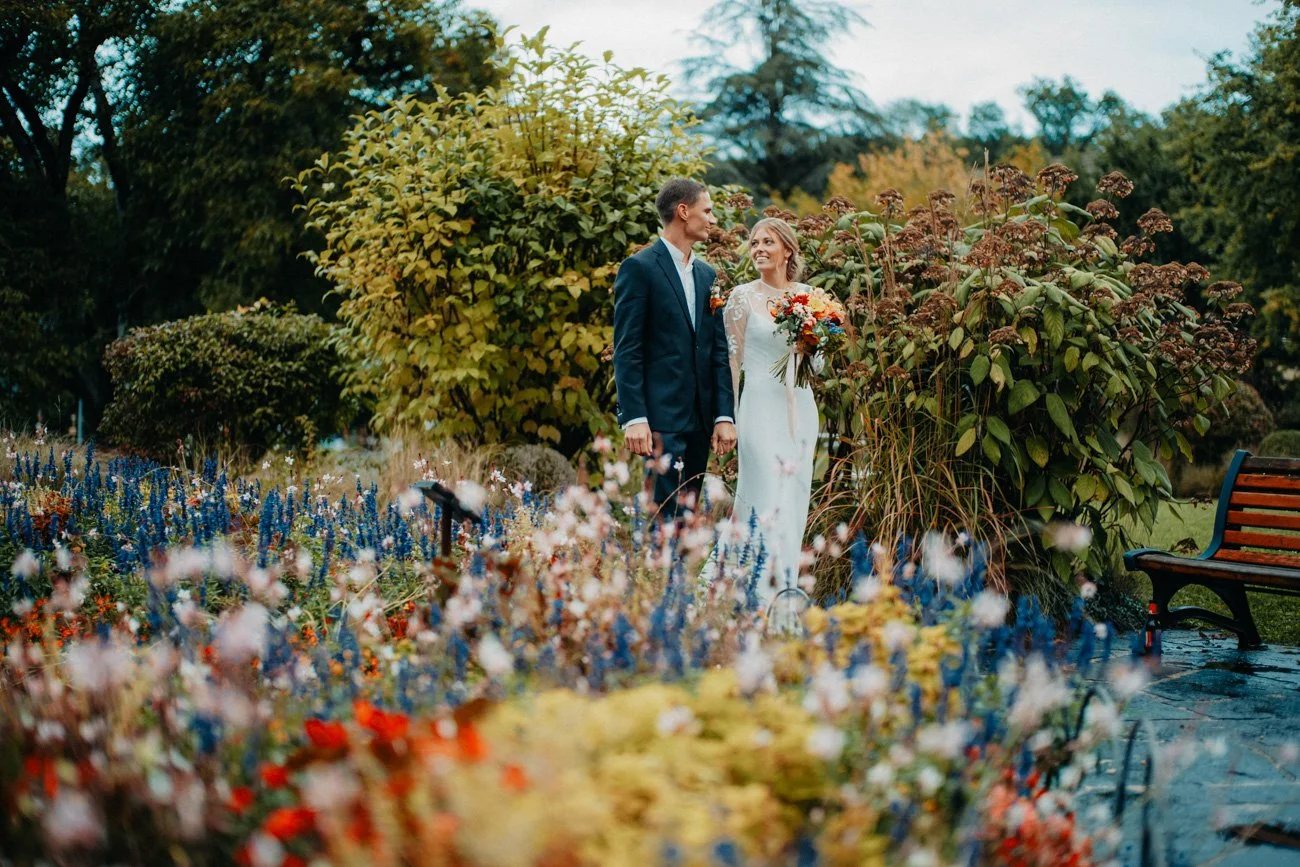
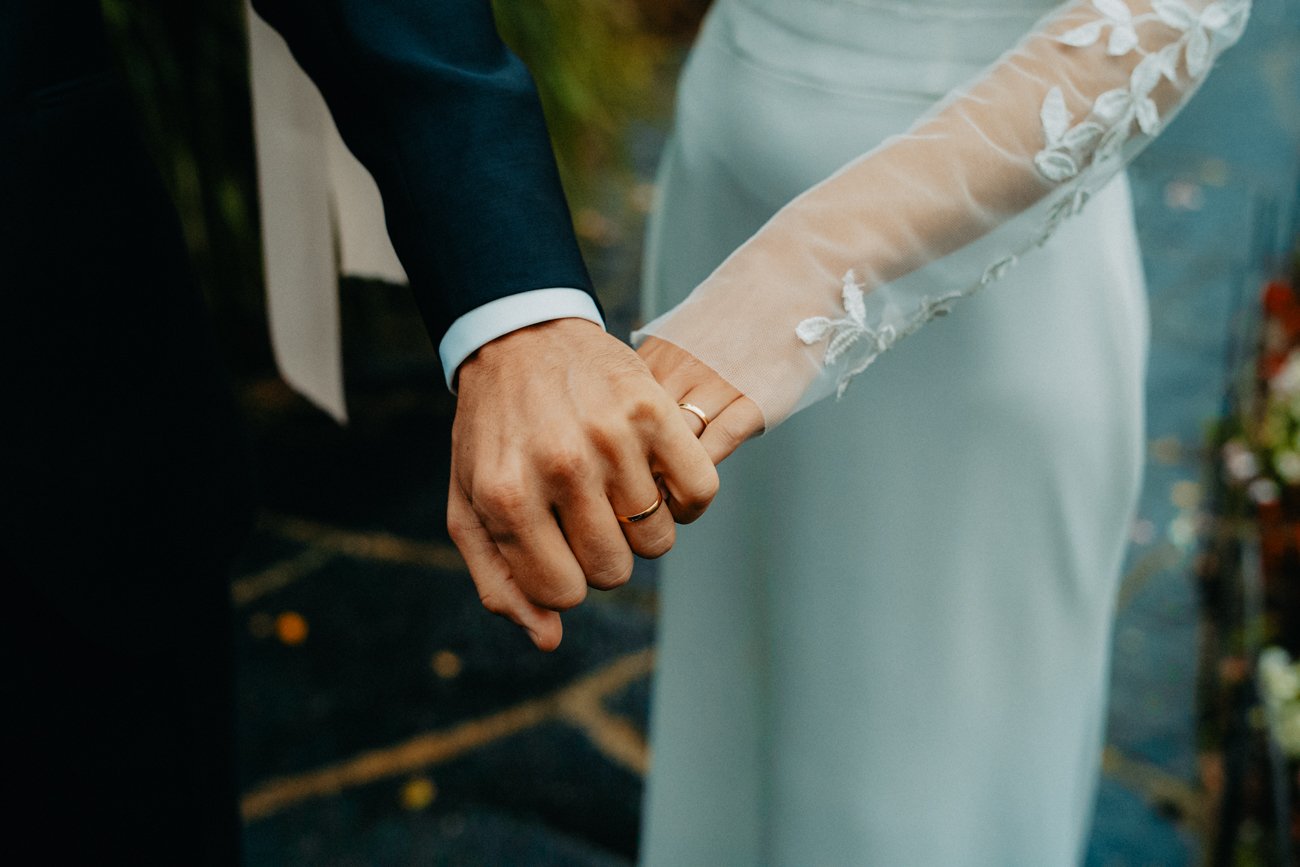
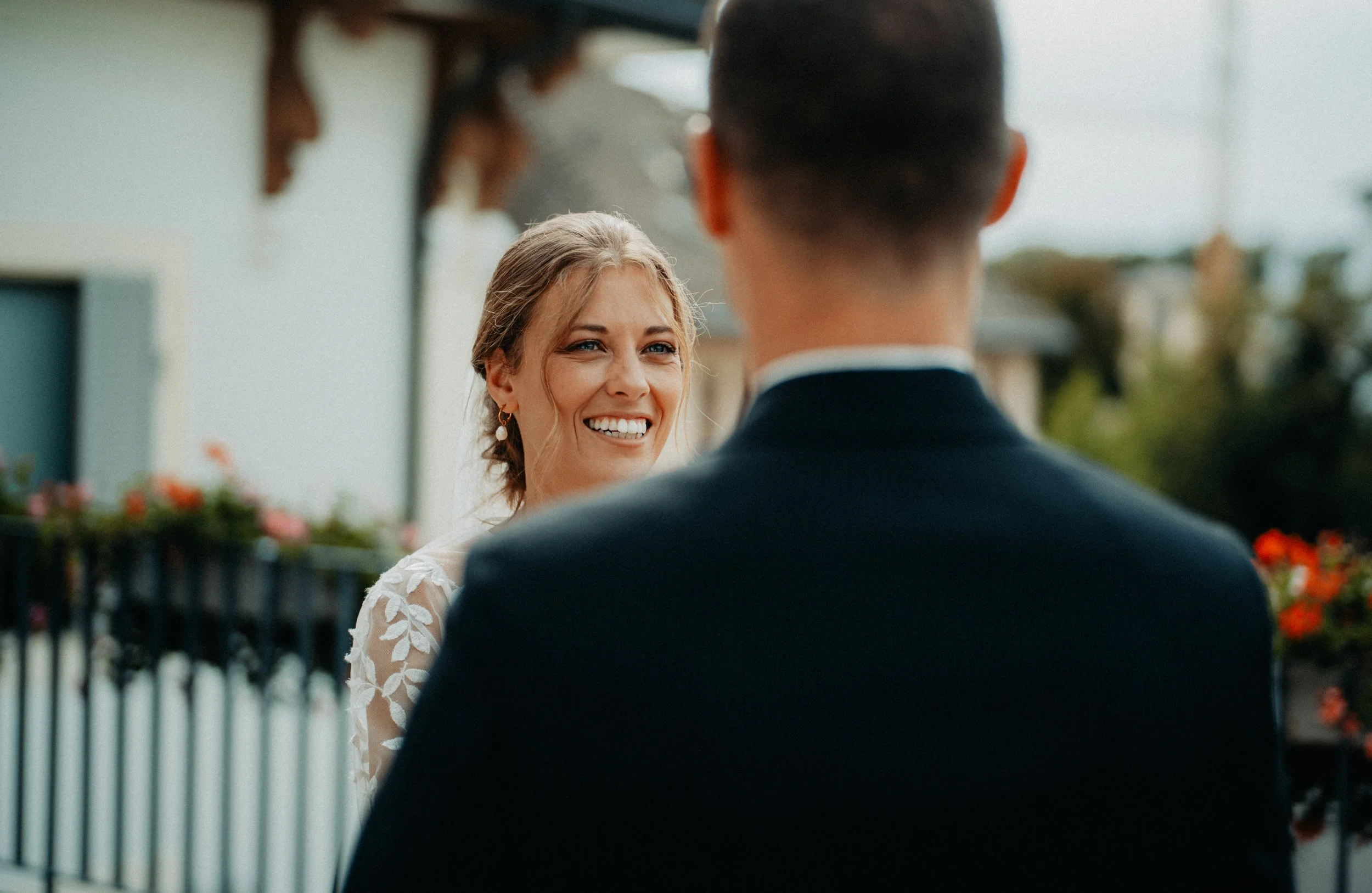
In the end, everything came together beautifully. The focus landed where it needed to, the expressions were captured, and the mood of the scene translated into the final images. Looking back at the photos now, that initial nervous energy almost feels like an essential ingredient in making the images as intentional and alive as they are.
The Boutique Magic Of The 50mm Summilux
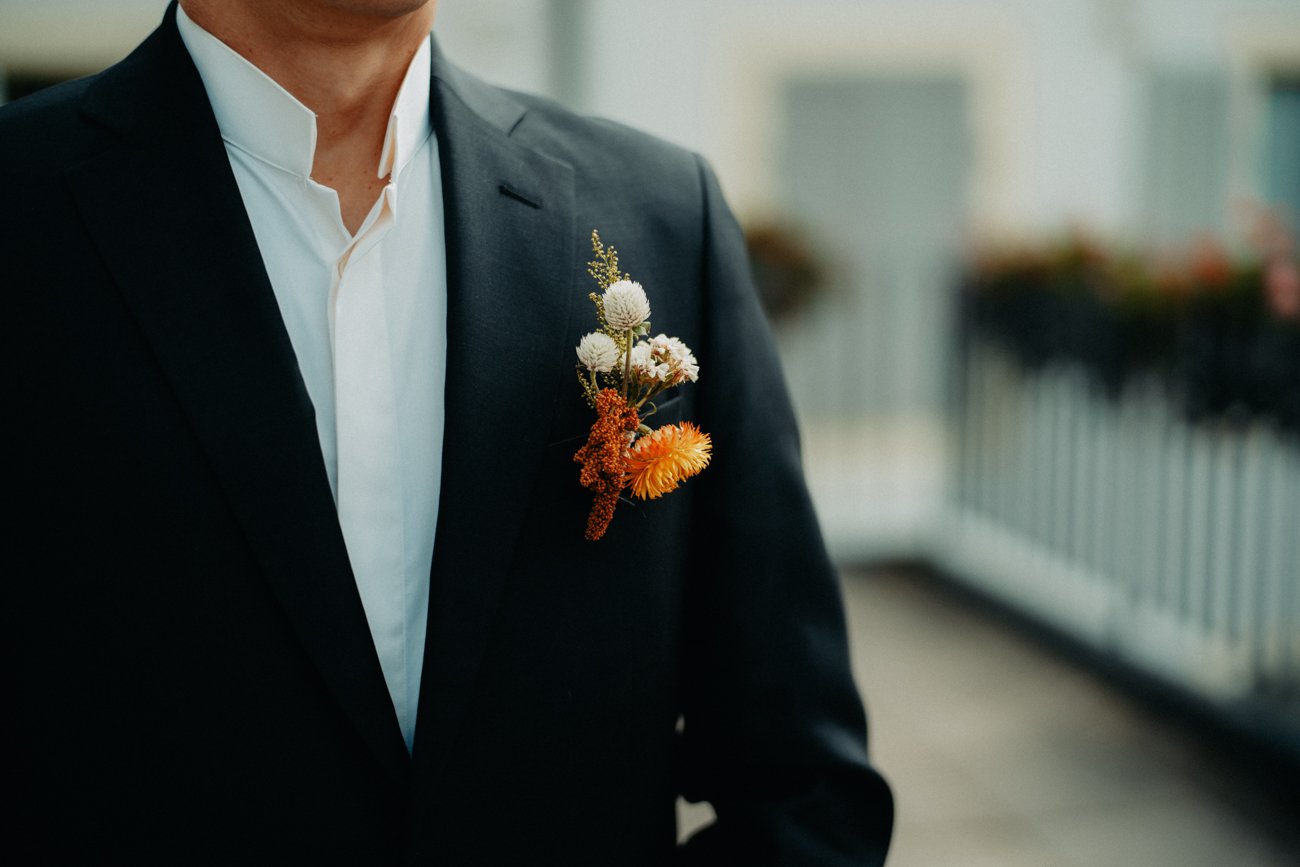
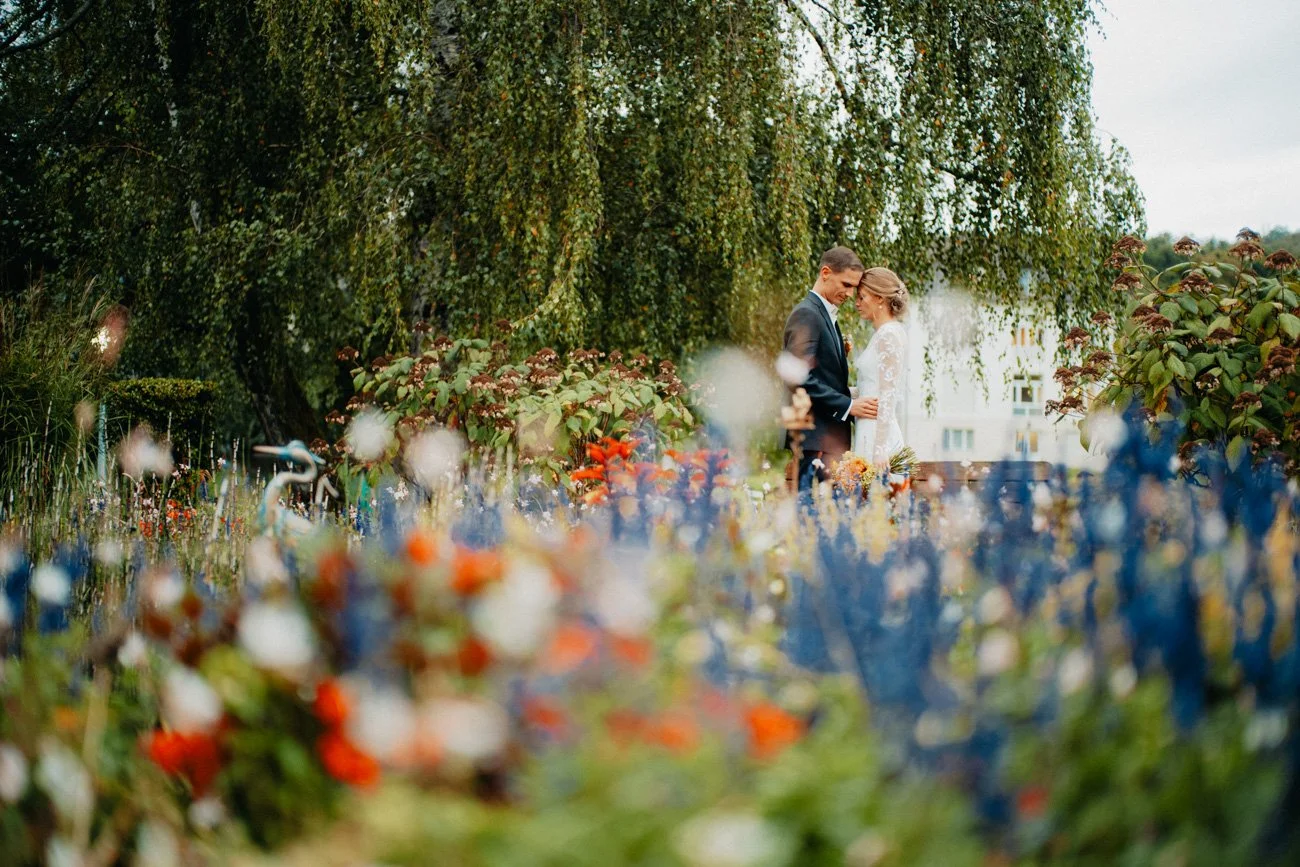
What remains most striking is how the Leica 50mm f/1.4 Summilux ASPH renders the scene. There is something about this lens that is hard to rationalize yet impossible to ignore. The way it draws light, the transition from in‑focus to out‑of‑focus areas, and the overall character of the image feel unmistakably “boutique.”
Every time the files from this lens appear on screen, there is a small moment of fascination. The images carry a certain elegance and intimacy that keeps inviting a second look. It is not just technically sharp or pleasing; it has a signature, a personality. That is what makes this lens so addictive to use for emotional, once‑in‑a‑lifetime moments like a first look.
A Small Challenge, A Big Reward
What started as a self‑imposed challenge became a reminder of why taking calculated risks with gear can be so rewarding. Relying on the Leica M10 and the 50mm Summilux alone in such a critical moment was slightly terrifying, but also deeply satisfying once the shutter sounds turned into finished photos.
In the end, it reinforced a simple truth: when the tools feel like an extension of the photographer, it becomes easier to trust them – even when there is no backup waiting in the wings. And when that trust is combined with a lens that renders the world with such unique character, the result can feel truly special.