
This Photo Looks Like a Happy Accident — Until You Learn What Really Happened Behind the Blur
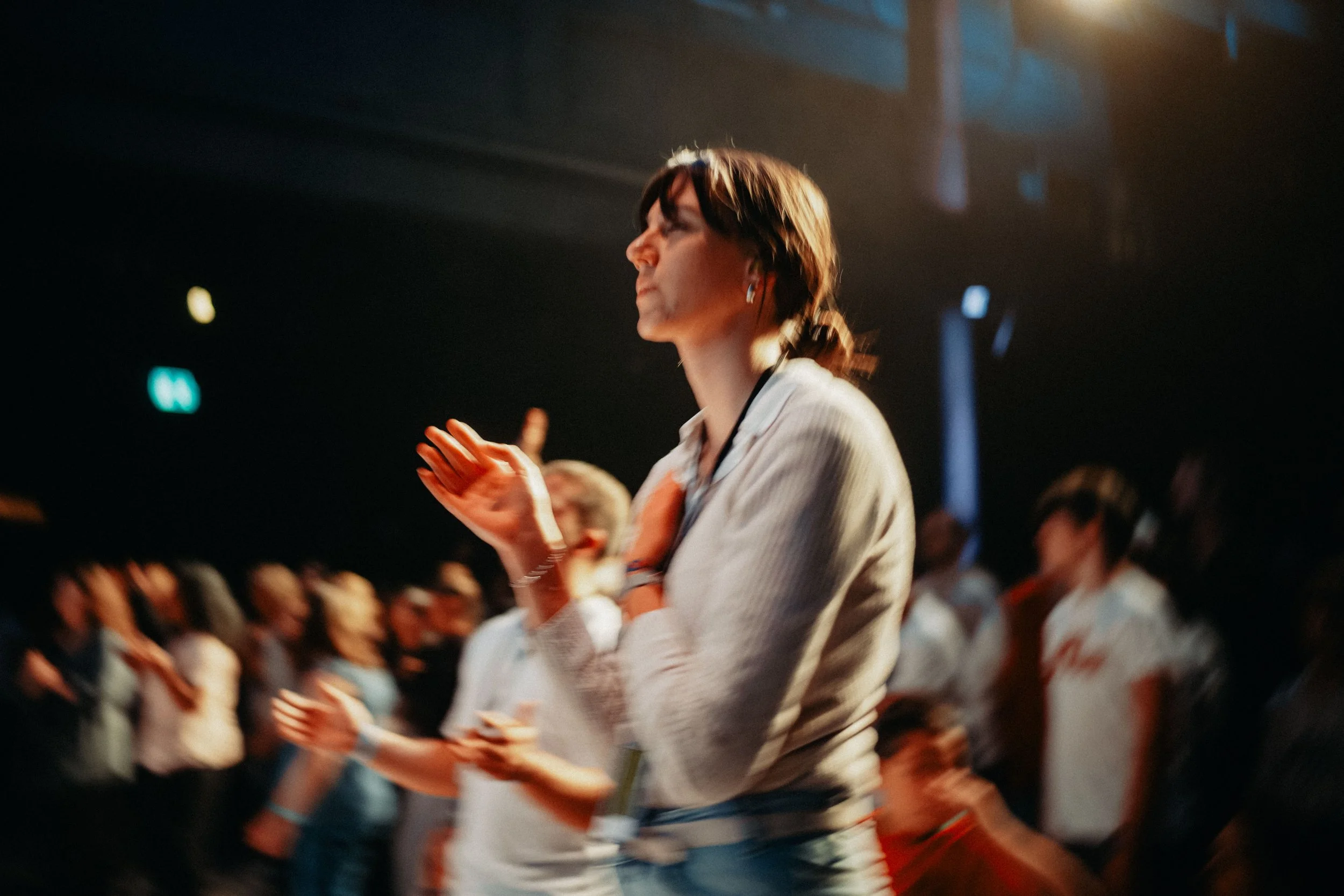
How I Nailed the Perfect Swirl Shot — and Why It Wasn’t a Happy Accident
This photo might look like a moody, blurry image with a nice color grade and some cinematic grain sprinkled on top — but it’s far from accidental. What started as an experiment in motion and focus turned into one of my favorite creative breakthroughs in photography: learning to spin my camera not around the lens, but around the golden ratio.
When "Just a Blur" Becomes Something More
At first glance, the image seems simple — a blurred background, strong mood, grainy texture, and a hypnotic sense of motion. Many people assume that’s all there is to it. But take a closer look. Notice where the swirl draws your eyes — straight toward the subject’s face. That wasn’t luck. It was intention.
I wanted to create swirl motion in the shot without losing the clarity of expression — that human focus point that connects image and viewer. The challenge was in physics: when you rotate your camera, you naturally spin around the center of the lens, causing the blur pattern to form in the middle of your frame. But that’s not where I wanted it.
The Trick: Shifting the Axis to the Golden Ratio
To pull off this image, I had to change the axis of rotation. Instead of spinning the camera around its center, I rotated around a point slightly higher — aligning roughly with the golden ratio grid line of my frame. That subtle change shifted the swirl downward while keeping the upper part (where the face is) sharp and steady.
It wasn’t easy. It took several tries to get the balance right — too much movement ruined the focal point, too little killed the dynamism. But when it finally clicked, the composition came alive. The top stayed crisp, the bottom swirled into motion, and the viewer’s gaze naturally traveled to the face, as if being guided by invisible lines of energy.
Creativity Meets Control
The beauty of this approach is that it merges creative intuition with technical precision. It’s not about post-production magic or adding effects later. It’s about crafting the moment in-camera, understanding how movement, geometry, and focus interact to guide emotion.
And that’s what I love most about photography — when planning meets instinct, and a single small shift changes the entire story of an image.